How to Tell Your Hairstylist What You Want

Key takeaways
- Bring 3–5 reference photos plus one “don’t want.” Choose similar texture and density; explain the details you like.
- Try on hairstyles with Get The Look before your salon appointment. Find the shape and styles that suit your face.
- Agree on the finished dry length. Point to a body landmark and confirm the shortest front piece.
- Explain your routine and hair history. Share styling time, past color or treatments, and cowlicks.
- Clarify color and maintenance. Describe depth, tone, and placement; confirm upkeep frequency and cost.
- Speak up early. Pause if the cut differs from your brief; ask promptly about adjustments afterward.
A disappointing haircut can begin with a perfectly friendly conversation. You say “a little off the ends.” Your stylist hears “remove the damaged length.” You ask for “beachy layers,” picturing soft movement; they picture a much choppier shape. Neither of you discovers the mismatch until the hair is on the floor.
How to tell your hairstylist what you want comes down to three things: show specific photos, point to the finished length on your own body, and explain your everyday routine. Then ask your stylist to repeat the plan before they begin.
You do not need salon vocabulary to do this well. You need a few clear preferences and space for a conversation. These hair consultation tips cover what to bring, what to say, and what to ask, whether you want a small trim or a different color.
Jump to: before your appointment · words that work · color · your salon brief.
Why “just a trim” goes wrong
“Trim” does not specify a length. “Lob” describes a family of cuts. A shag can have subtle layers or a strongly separated shape. Even “face-framing” leaves unanswered where the shortest piece should land and how much hair will be cut.
Photos help, but they need interpretation too. A model’s density, curl pattern, face shape, extensions, or professional blowout may account for the detail you love. A picture cannot tell your stylist how your own hair behaves on a humid morning.
Our hairstyles hub recommends bringing both a preferred look and a photo of what you want to avoid. Images make ambiguous names more concrete. Redken’s consultation guidance similarly uses pictures to clarify what clients mean. The useful next step is pointing to the exact feature you like.
Before your appointment
Collect 3–5 reference photos
Choose one main photo for the overall shape and two to four supporting images. Look for hair close to yours in texture and density: fine strands with a sparse perimeter behave differently from thick, densely packed hair, even at the same length.
Include a front view and, if possible, a side or back view. Save the photos in one album so you can find them without scrolling through unrelated ideas in the chair.
Give each image a job: “This is the length; this shows the fringe; this is the color.” When choosing reference photos for a haircut, ask yourself whether you like the cut itself or the way it has been styled. Name the difference for your stylist.
Bring a “don’t want” photo
A negative reference can clarify a boundary faster than another attractive picture. Point to one detail: “I don’t want the ends this wispy,” or “This fringe is shorter than I would be comfortable with.”
Avoid rejecting the whole image without explaining why. You might dislike its color while your stylist assumes you dislike its layers. Keep the conversation about features, and identify your most important boundary first.
Preview it on your own face
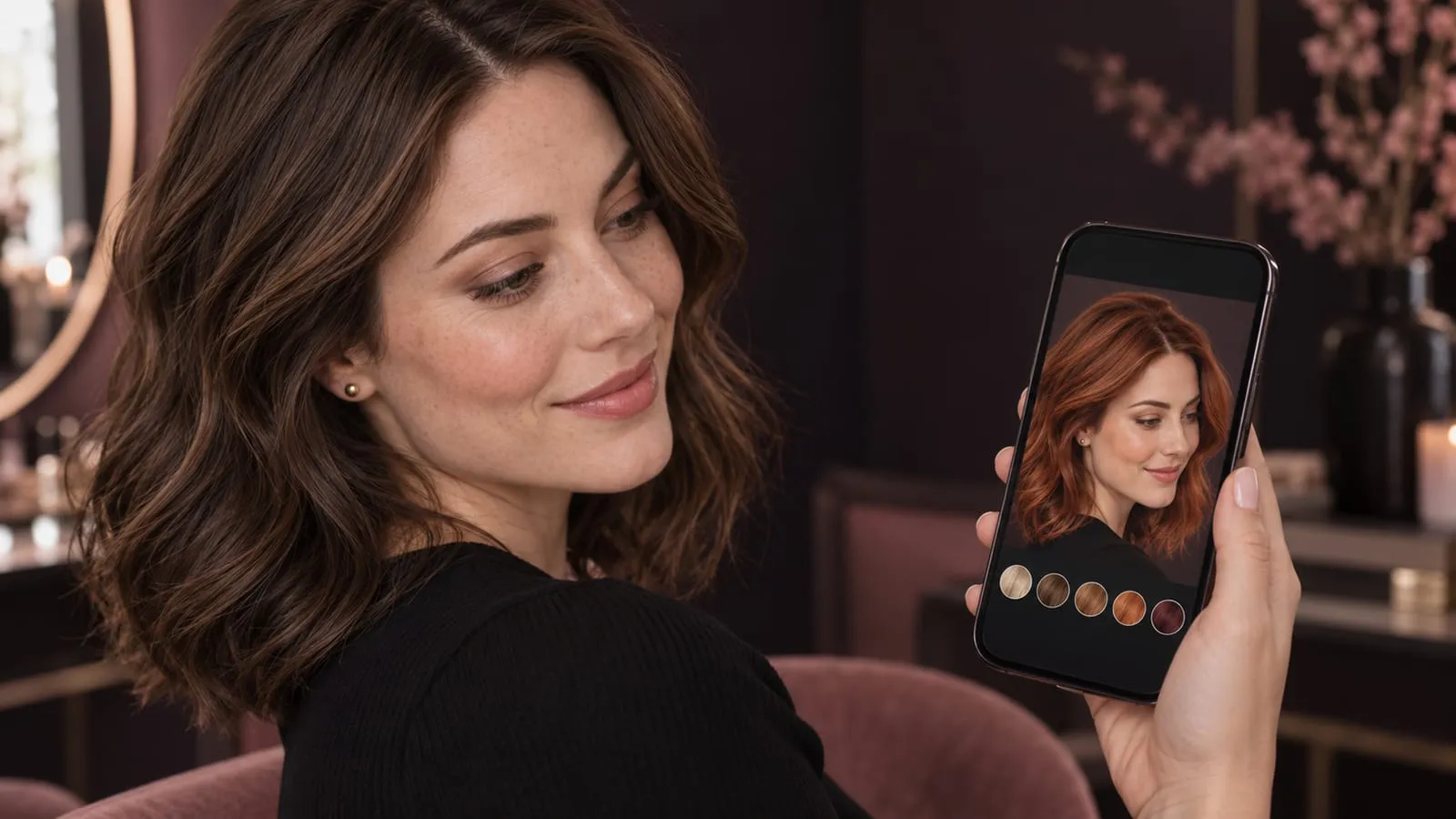
Before the appointment, preview your shortlist with Get The Look. Upload a clear, unfiltered selfie in even daylight, then compare a cut or color with your current look. Seeing the shape around your own cheeks and jaw can help you decide which reference to bring.
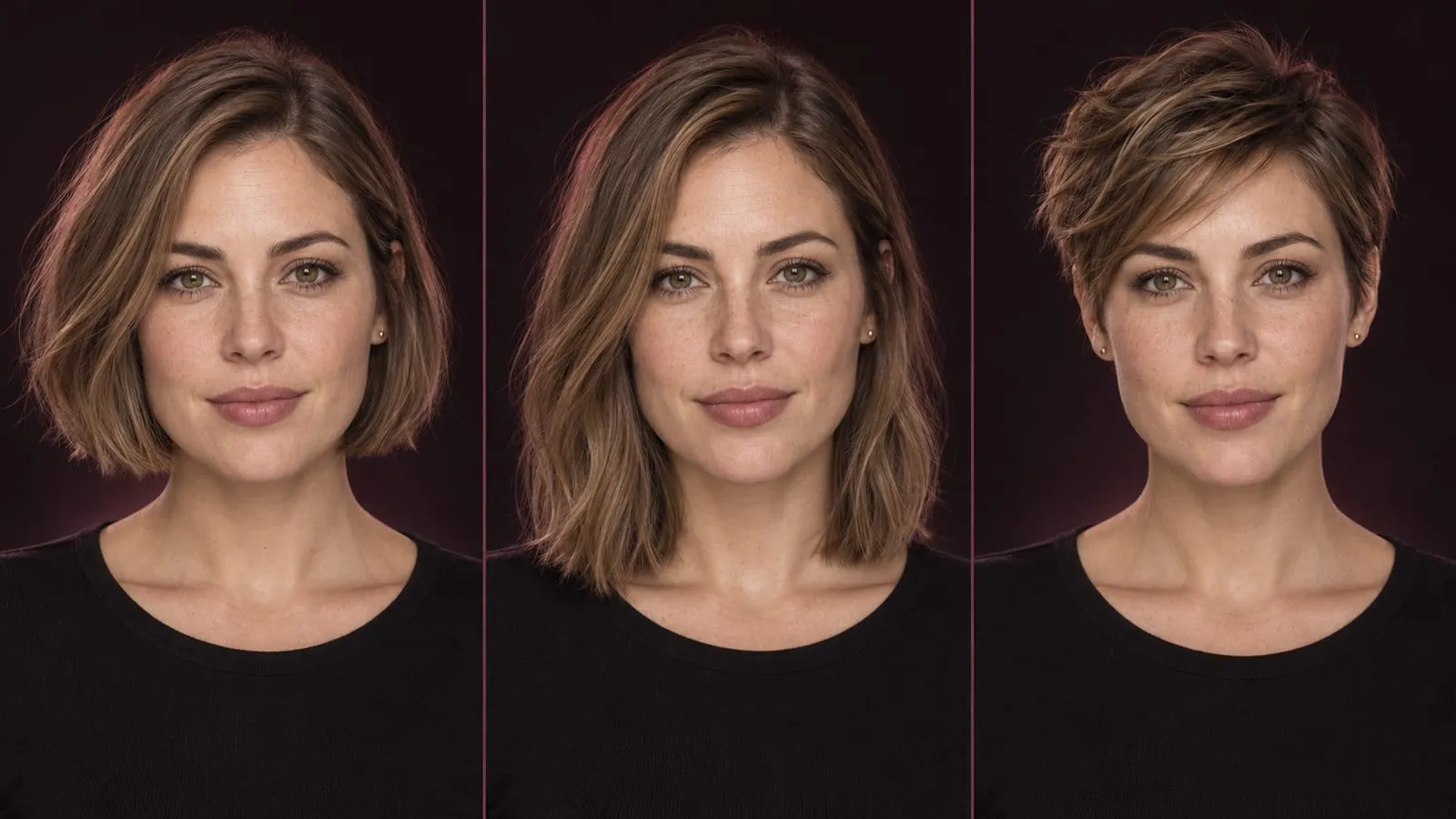
A lob is a useful starting point if you are considering a shorter length. Compare where its ends sit before deciding how much you want removed.
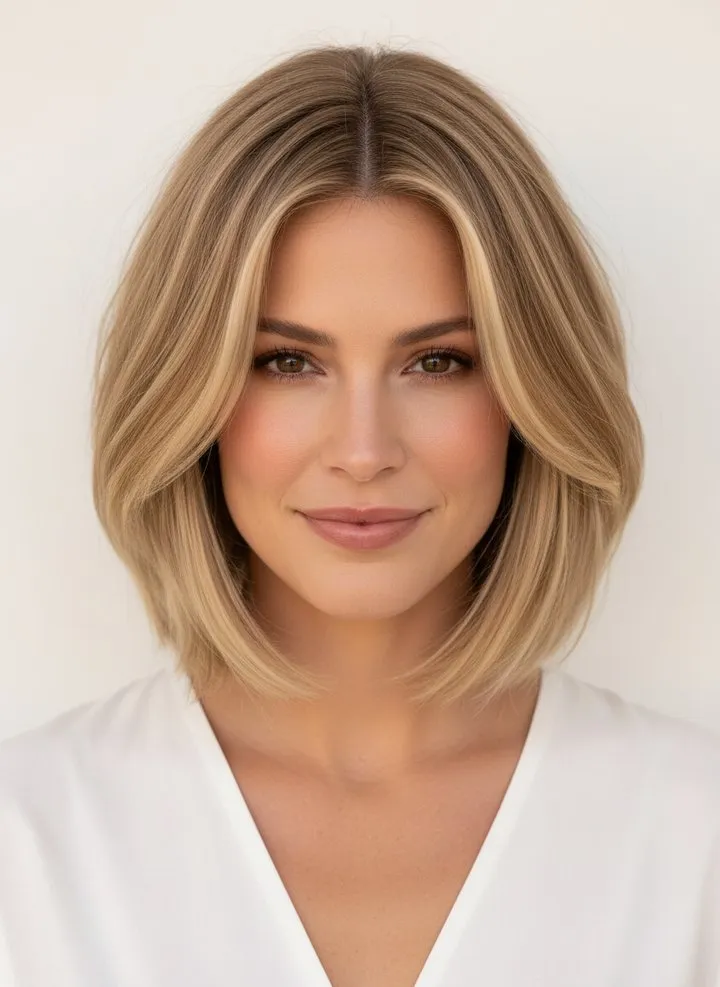
Preview a lob on your own face →
Save the original selfie and your favorite preview together. Check that the result has kept your facial features, skin tone, and plausible hair density. Tell your stylist which parts you like: the length, outline, fringe, or shade.
An AI image cannot predict shrinkage, cowlicks, daily styling, or an exact dye result. Use it to explore what you like on your face, then ask your stylist what your actual hair can achieve.
Know your face shape and undertone
Our guides to what haircut suits your face shape and what’s my undertone can help you narrow your references. Treat the categories as starting points for comparison, with room for your own taste.
You can simply say, “I like volume above my cheekbones,” or “I prefer this warmer brown beside my skin.” Your stylist can assess how those preferences work with your texture, coloring, and routine.
Check preparation instructions when booking, too. Dry curl appointments may require clean, fully dry hair with its natural pattern intact, as My Curl Salon’s preparation guide illustrates. Follow your own salon’s instructions so your stylist can assess the hair you actually wear.
In the chair: words that actually work
Point to a length landmark
Describe where you want the hair to finish: at your chin, touching your collarbone, or reaching your shoulder blades. Point while sitting upright. Agree on the length when dry, in the texture you normally wear. An inch estimate alone leaves too much room for misunderstanding.
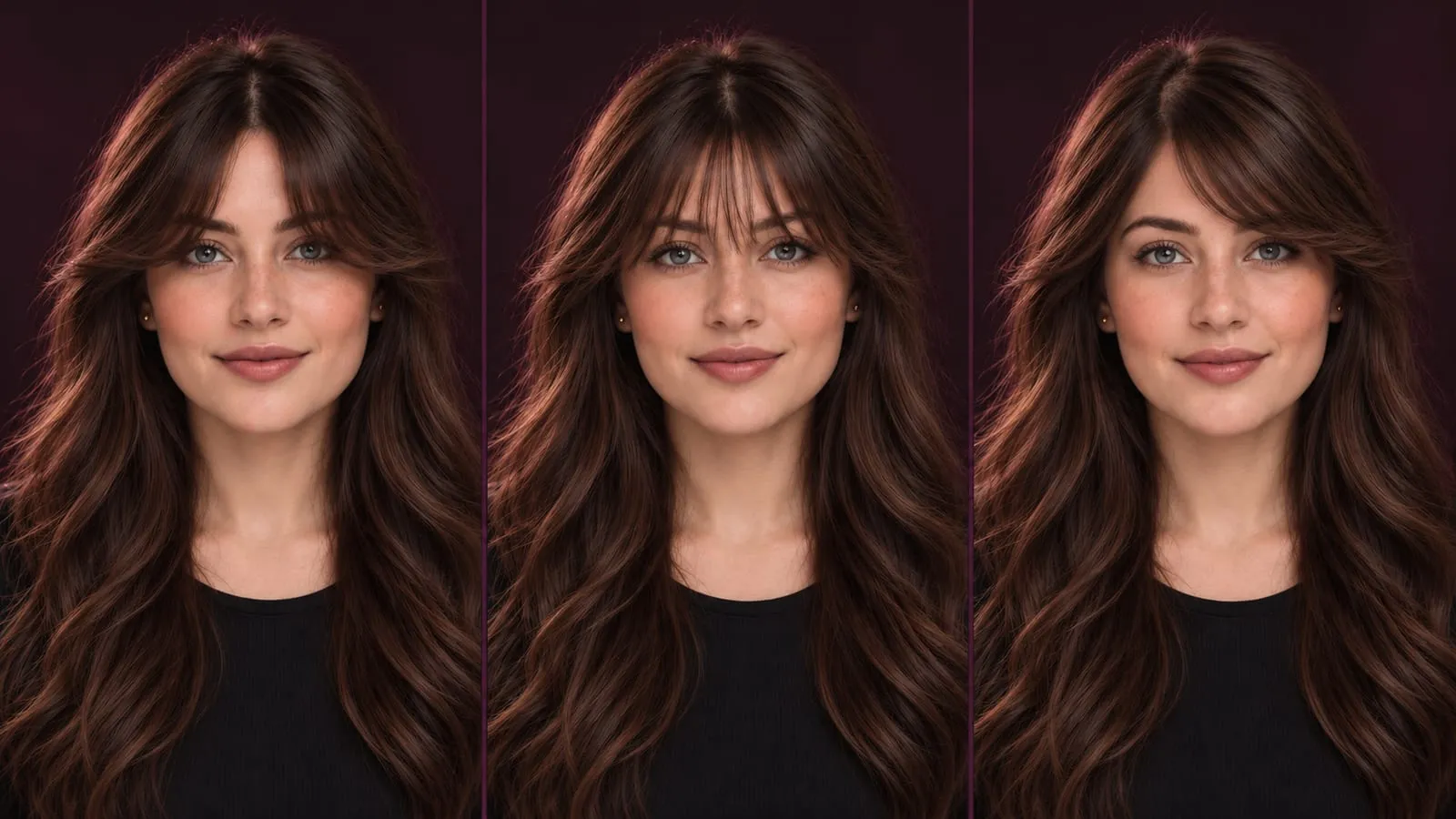
Discuss the front and back separately. “Collarbone length” does not tell anyone how short the fringe can be. For curtain bangs, show where the shortest section should land and whether you need it to tuck behind your ears.
If keeping length matters most, say: “Please show me how much you recommend removing before you cut. I want to agree on any extra length first.”
Describe an ordinary morning
Tell the truth about styling time: “I have five minutes, air-dry most days, and use a brush on my fringe.” Mention ponytails, work requirements, glasses, or anything else the cut needs to accommodate.
For a butterfly cut, ask how much of the pictured volume comes from a blowout. If you will not recreate that styling, ask to see an everyday version. A cut that fits your routine is easier to enjoy after the salon finish wears off.
Give your hair history
Mention previous lightening, box dye, henna, relaxers, perms, or smoothing treatments, including what may remain in the lengths. Tell your stylist how often you use heat, where your hair breaks or tangles, and where cowlicks change its direction.
Explain past disappointments precisely: “My last short layers stuck out when I air-dried,” says more than “Layers don’t work for me.” If a previous cut worked well, bring a photo of yourself wearing it.
A short glossary for describing a haircut
You can ask how to describe a haircut without memorizing every technique. These distinctions help:
- Blunt vs. textured ends: Blunt ends create a more solid outline. Textured ends have a softer, more broken-up edge. Show how full you want the bottom to look.
- Long vs. short layers: These describe the layering, not simply the overall haircut length. Ask where the shortest layer will land and how it blends into the longest pieces.
- Point cutting: Cutting into the ends with the tips of the scissors can soften an edge. The effect depends on depth and placement.
- Thinning: Removing selected hair within a section reduces bulk. It is different from shortening the whole outline; ask where weight would be removed and why.
For face-framing layers, a useful request is: “Start the shortest piece here, blend it into my length, and keep the ends looking full.” Let your stylist explain the technique that suits that goal.
Talking about color
Compare your goal with your current shade
Describe three things separately: lighter or darker, warmer or cooler, brighter or more muted. Add where you want the change: around your face, through the lengths, at the roots, or everywhere.
For example: “I want a slightly lighter brown with a cooler tone. Keep depth at my roots and avoid strong golden pieces around my face.” Show a reference for each preference; words such as “ash” and “caramel” can cover a broad range.
Browse the hair-colors catalog for directions to discuss, then follow our guide to trying hair colors on your photo. Compare the same selfie in similar lighting so the shade is the main change.
Balayage, highlights, and gloss mean different things
Highlights are sections lighter than the surrounding hair. Their thickness, spacing, and placement determine the effect. Foils are one way to create them.
Balayage is a freehand painting technique used to create highlights, often with a gradual transition from a deeper root. It describes an application method, not a specific blonde or brunette shade. Wella’s balayage guide explains the technique and variations, including foilyage.
A gloss is a service used to refresh tone and shine; it can be clear or tinted. Many salon glosses deposit color without lightening your base. Ask what the proposed formula will do, rather than assuming a gloss can turn dark hair blonde. Redken’s gloss guide explains these uses.
Ask what maintenance actually involves
Ask separately about root touch-ups, refreshing the highlights, and toner or gloss appointments. “Low maintenance” needs a schedule and a price attached to it.
Try: “How often would you expect to see me? What would each visit cost, and what happens if I wait longer?” Ask how the tone will fade and what home care is needed. Agree on today’s total and any likely follow-up sessions before color is mixed.
Questions to ask before they start
Keep these four questions ready:
- “Will this work with my texture and cowlicks?” Ask what would need adapting from the reference.
- “How will it look air-dried?” Compare that answer with how you actually wear your hair.
- “What will it look like in six weeks?” Discuss the fringe, overall shape, roots, and fading.
- “Can you show me the exact finished length before the first cut?” Confirm the shortest front piece as well as the back.
If you are unsure what to say at the hair salon, finish with a quick read-back: “So we’re keeping the ends at my collarbone when dry, leaving the front long enough to tuck, and preserving fullness at the bottom. Is that right?” Resolve any difference before work starts.
If it’s not going the way you pictured
Speak up as soon as something feels unclear. Keep still while scissors are near you and say, “Could we pause for a moment? I’m worried the front is getting shorter than we agreed. Can we check the reference together?”
Point to the specific issue. If the shape is unfinished, ask your stylist to explain the next step before deciding on a change. You can ask them to stop removing length while you discuss it.
Before leaving, request a view of the back and check the fringe in your usual part. If you notice a problem at home, contact the salon promptly with clear photos and the original brief:
“After styling it myself, I’m finding the left side heavier than we discussed. Could we arrange a consultation to look at an adjustment? Please let me know your correction policy and any cost before we book.”
An adjustment may help the shape or tone, but it cannot restore cut length. Ask what a fix would involve before agreeing to more work.
Your salon brief checklist
Screenshot this box, or copy it into your phone’s notes and fill in the blanks. Keep it beside your reference album so you can cover everything before the appointment starts.
MY SALON BRIEF
Photos: 3–5 favorites + 1 “don’t want.”
Length when dry: Ends at ___; front at ___.
Styling: ___ minutes; air-dry / heat-style.
History: Color/treatments ___; cowlicks ___.
Color direction: Depth ___; tone ___; placement ___.
Upkeep: Every ___ weeks; budget ___ per visit.
Must keep / avoid: ___.
Before starting: Confirm length and total cost.
Keep your favorite preview with this brief. Get your look on your own selfie with Get The Look—most previews arrive in under 10 seconds—then show your stylist the photo and explain exactly what you love about it.
FAQs
- Is it rude to bring photos to the salon?
- No. Photos give you and your stylist a shared starting point. Explain the details you like and invite their advice about adapting the look to your hair. A reference communicates a preference; it does not require an exact copy of someone else’s hair.
- What if my stylist says the cut won’t work for my hair?
- Ask which part is difficult: the length, density, curl pattern, cowlicks, or daily styling. Then ask for an alternative that keeps your favorite feature. You can postpone a change if the compromise does not appeal to you; you do not have to agree to a different cut on the spot.
- How many reference photos should I bring?
- Bring three to five carefully chosen photos, plus one showing a detail you want to avoid. Choose one main reference and label what the others contribute, such as the fringe, ends, or color. A small, explained selection is easier to discuss than an entire inspiration board.
- Should I wash my hair before a haircut?
- Ask your salon when booking, because preparation depends on the service. For a wash-and-cut appointment, check whether shampooing is included. For a dry curl cut, salons may request clean, fully dry hair in its natural pattern, without heavy products or stretched-out curls. Follow your stylist’s specific instructions, including any separate instructions for color.