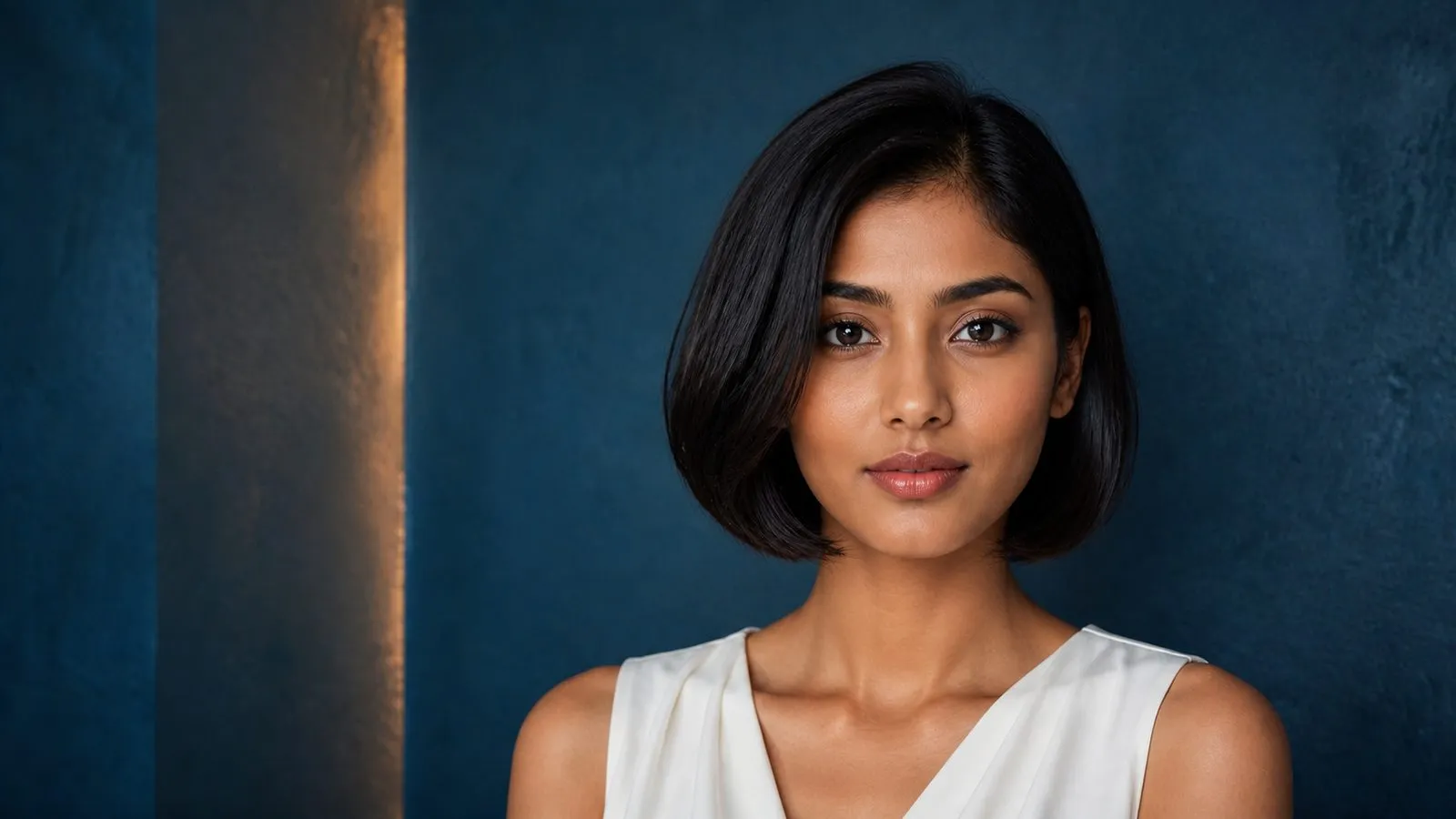
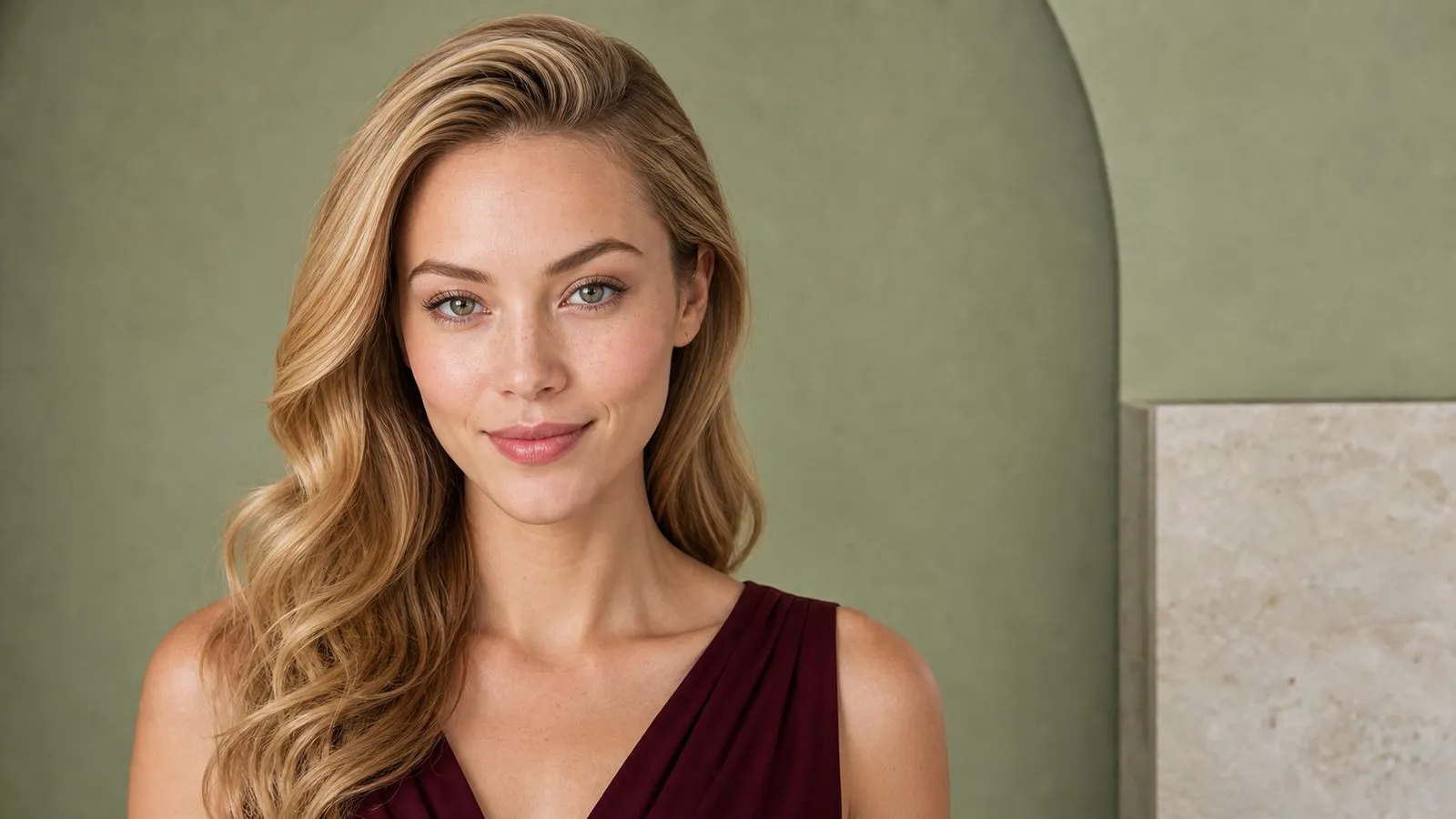
Best Haircuts for Fine Hair That Make It Look Thicker
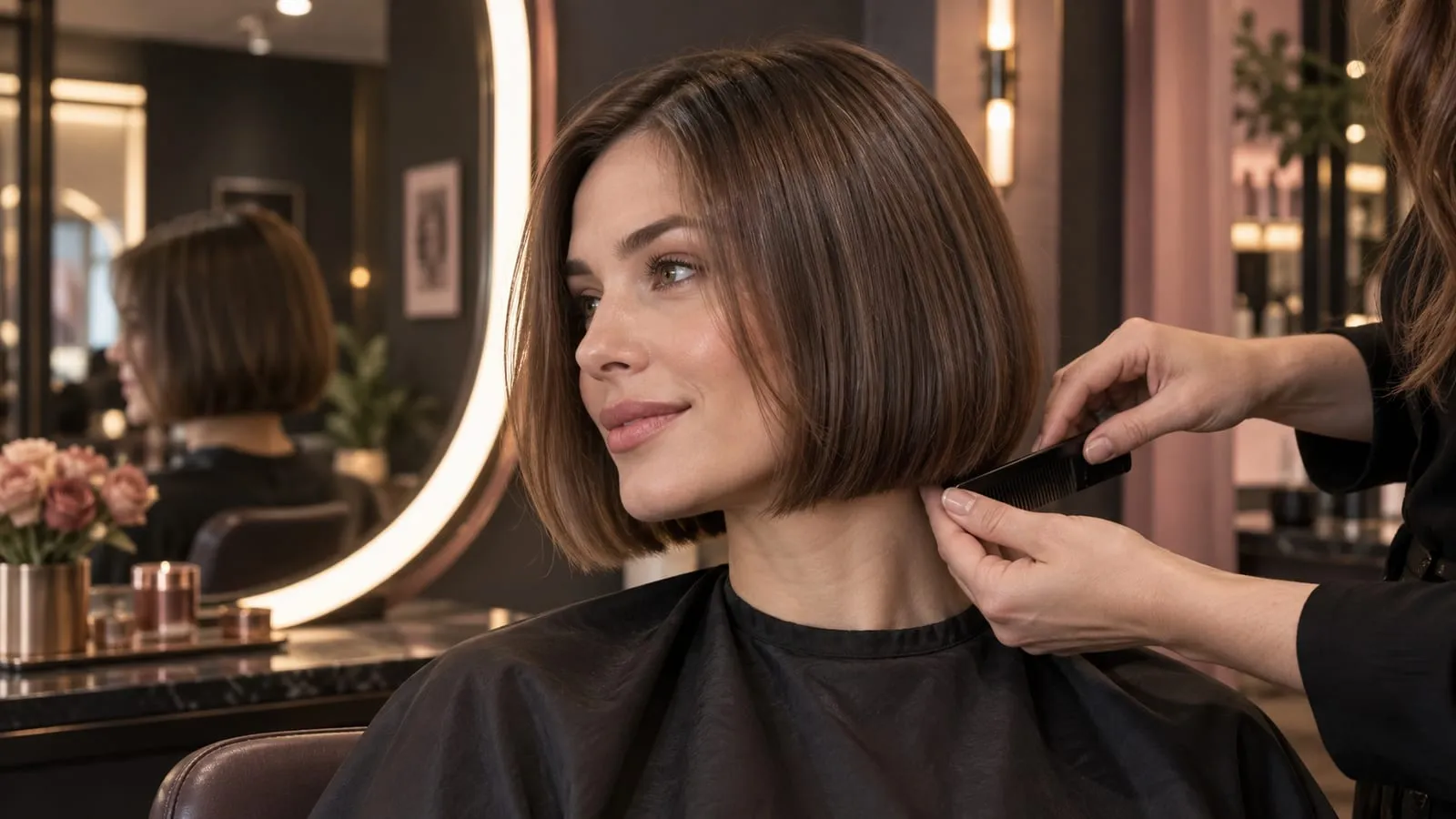
The best haircuts for fine hair do not create more hair. They create a stronger outline with the hair you have. A sharp chin bob, blunt clavicut, compact bixie, soft pixie, gently graduated wavy bob, rounded curly bob, or longer cut with a dense baseline can all make fine hair look thicker because each one protects visual weight somewhere specific.
That distinction matters. A huge blowout can make almost any cut look full for one photograph; the useful haircut is the one that still has shape after the volume drops. This guide focuses on the structure underneath the styling, so you can judge a cut by how it behaves on an ordinary Tuesday rather than by how it looks under salon lights.
First: is your hair fine, thin, or both?
People use fine and thin interchangeably, but they describe different things:
- Fine hair has a small strand diameter. You can have fine hair and a lot of it.
- Thin or low-density hair means fewer strands are growing in a given area. Those strands may be fine, medium, or coarse.
- Fine and thin hair combines a small strand diameter with lower density, so preserving the perimeter becomes especially important.
Make a loose ponytail and look at the individual hairs near your face. The thickness of one strand tells you about fineness; the size of the ponytail, the width of your part, and how much scalp shows tell you more about density. This is not a medical test—it is simply a better starting point for a haircut conversation.
If your hair has always been fine, choose a cut for its texture. If your part has recently widened, your ponytail is suddenly smaller, or shedding has increased, treat that as a separate question. A haircut can create the appearance of density, but it cannot address the reason density changed.
The fuller-hair equation
Before choosing a named style, decide which part of your haircut needs help.
| What you notice | What the cut should do | Be careful with |
|---|---|---|
| Ends look transparent | Build a blunt or softly blunt perimeter | Deep point cutting and heavily feathered ends |
| Roots collapse quickly | Remove enough length for lift or add restrained crown graduation | Long, heavy lengths with no shape |
| Hair looks flat but the ends are dense | Add a few internal layers or natural bend | Assuming more layers always mean more volume |
| Curls separate into stringy pieces | Create a compact rounded silhouette and trim curl by curl | One rigid wet-cut line that ignores shrinkage |
| You want to keep long hair | Protect the bottom third and limit face framing | Short layers that take too much hair away from the baseline |
The objective is not maximum volume everywhere. It is deliberate visual weight: a clean edge at the bottom, lift where the hair naturally collapses, or a rounded silhouette that uses texture rather than fighting it.
The sharp chin bob: the strongest perimeter
The sharp chin bob is the most reliable starting point for straight fine hair because nearly every strand arrives at the same visible edge. That clean line makes the ends read as one substantial shape instead of a collection of separate wisps.
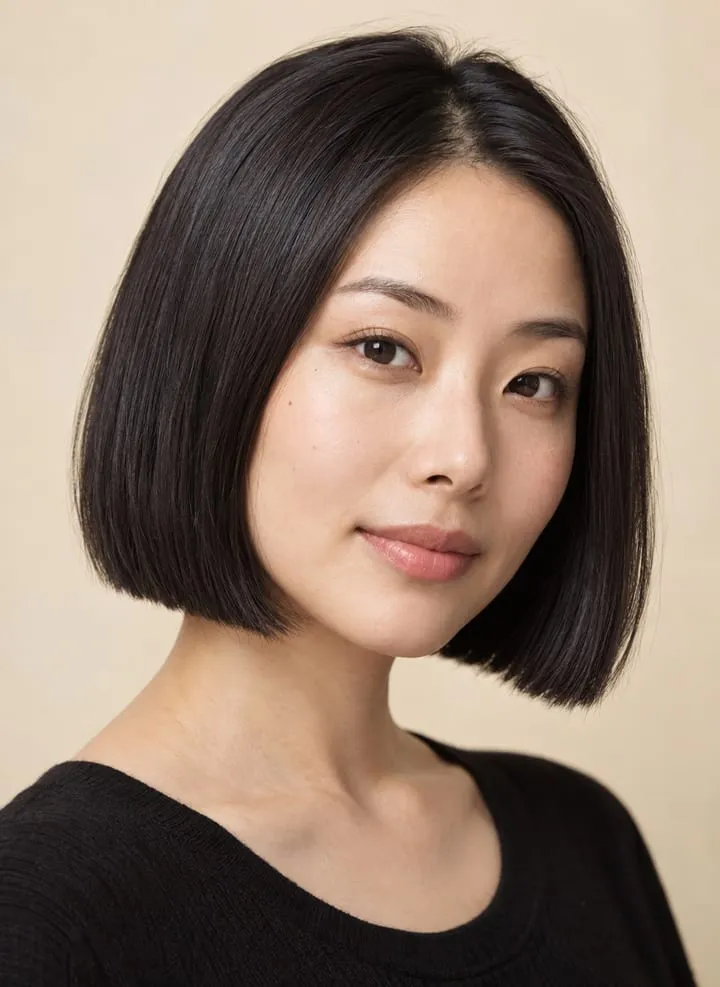
Try a chin-length bob on your photo →
Length is the lever. At the jaw or just below the chin, the hair is long enough to swing but short enough that the roots are not carrying unnecessary weight. An off-center part can give the top a little movement without requiring layers.
This is not quite the same as the softer, airier Italian bob. If your priority is density, ask for less internal removal and a firmer baseline than the tousled Italian version usually has.
Salon brief: “I want a jaw-to-chin-length bob with a strong one-length perimeter. Keep the baseline dense and only soften it if the hair will not sit cleanly.”
The blunt clavicut: fullness without losing tie-back length
If a bob feels too short, move the same principle down to the collarbone. A blunt clavicut keeps enough length for a small ponytail while concentrating the ends at one of the strongest-looking points of the upper body.

Try a collarbone lob on your photo →
The risk at this length is asking for “movement” and receiving layers that begin too high. Fine hair can absolutely move, but the motion should come from a few long internal pieces, restrained face framing below the jaw, or styling—not from removing half the perimeter.
You can also ask for a slightly longer lob if your hair is dense enough to keep a solid edge below the collarbone. Compare where your ends look fullest when the hair is dry; that point is more useful than committing to a length by name.
Salon brief: “Keep the length at my collarbone with a soft blunt edge. I want the bottom third to stay full, with only minimal internal movement and no short layers.”
The compact bixie: lift without a fragile outline
A bixie removes the length that can pull fine roots flat but keeps more softness around the face than a classic pixie. The fine-hair version should be compact rather than aggressively shredded: a graduated nape, controlled lift at the crown, and longer front pieces with visible substance at their ends.
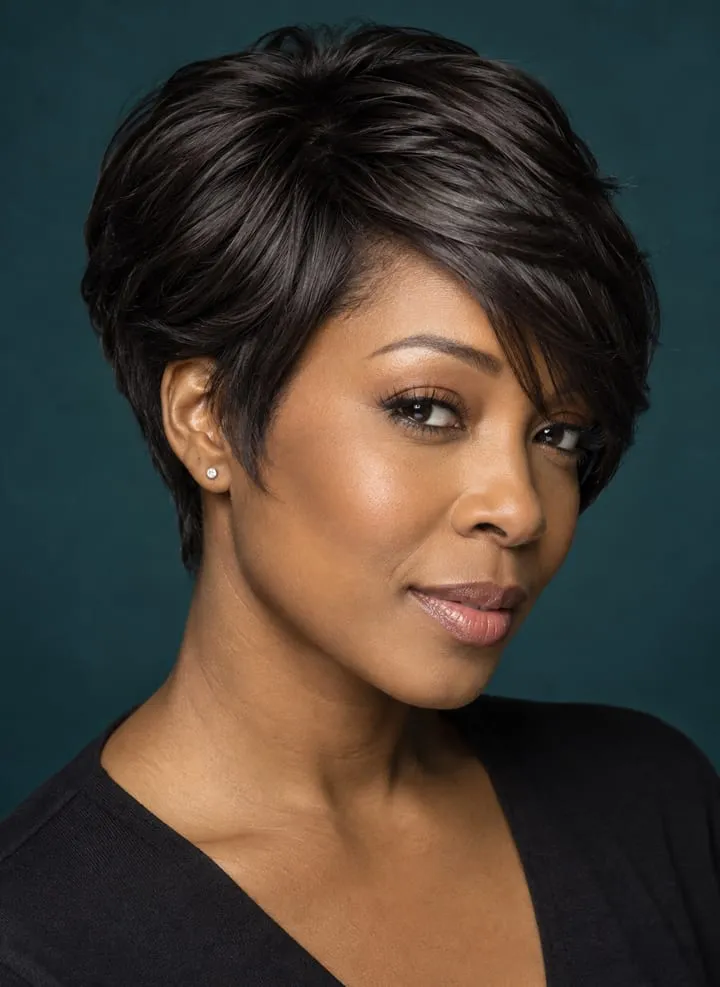
This cut is a good match when your roots respond well to a little mousse or blow-drying but longer hair loses that lift within an hour. It also lets you change the silhouette by moving the part instead of rebuilding the whole shape with hot tools.
The tradeoff is trimming frequency. A bixie may take less time to style, but its proportions blur as the nape and sides grow. Plan on a reshape roughly every five to seven weeks if you want it to stay intentional.
Salon brief: “Give me a compact bixie with gentle crown graduation and a longer side-swept front. Please keep the ends substantial—no razor-soft, feathery finish.”
The soft pixie: the lowest-weight option
The soft pixie works when even a bob collapses or when you prefer shape close to the head. Shortening the hair reduces hanging weight; a slightly longer top creates direction and coverage, while neat sides stop the style from becoming round and helmet-like.
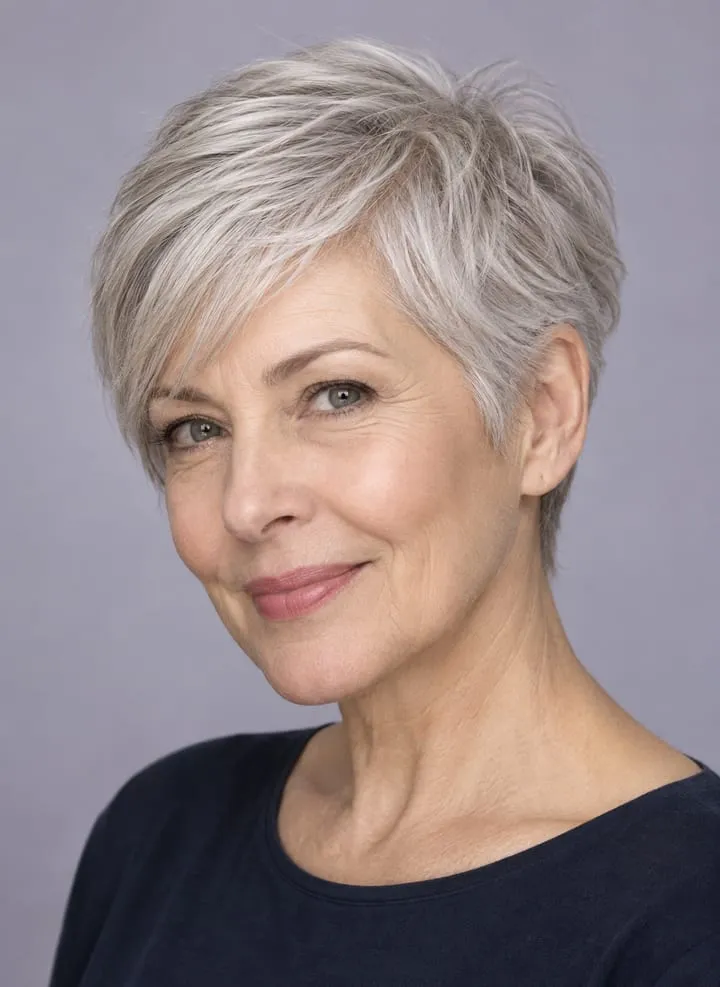
Try a textured pixie on your photo →
Fine silver or gray hair can be especially striking in this shape because the individual strands catch light and turn delicacy into visible texture. The goal is separation without exposing the scalp in hard rows. A lightweight paste used only at the ends usually makes more sense than coating the entire cut in oil or wax.
If you want more flexibility around the ears and forehead, start with a long pixie and shorten it after you learn how your growth patterns behave.
Salon brief: “I want a softly tapered pixie with a little extra length through the top and fringe. Build lift with the cut, but do not over-texturize or expose the scalp.”
The softly graduated wavy bob: use the bend you already have
Fine wavy hair often looks flat when brushed straight and triangular when cut to one heavy line. A softly graduated bob sits between those extremes: the outer perimeter stays full, while discreet shaping at the back gives the wave somewhere to lift.
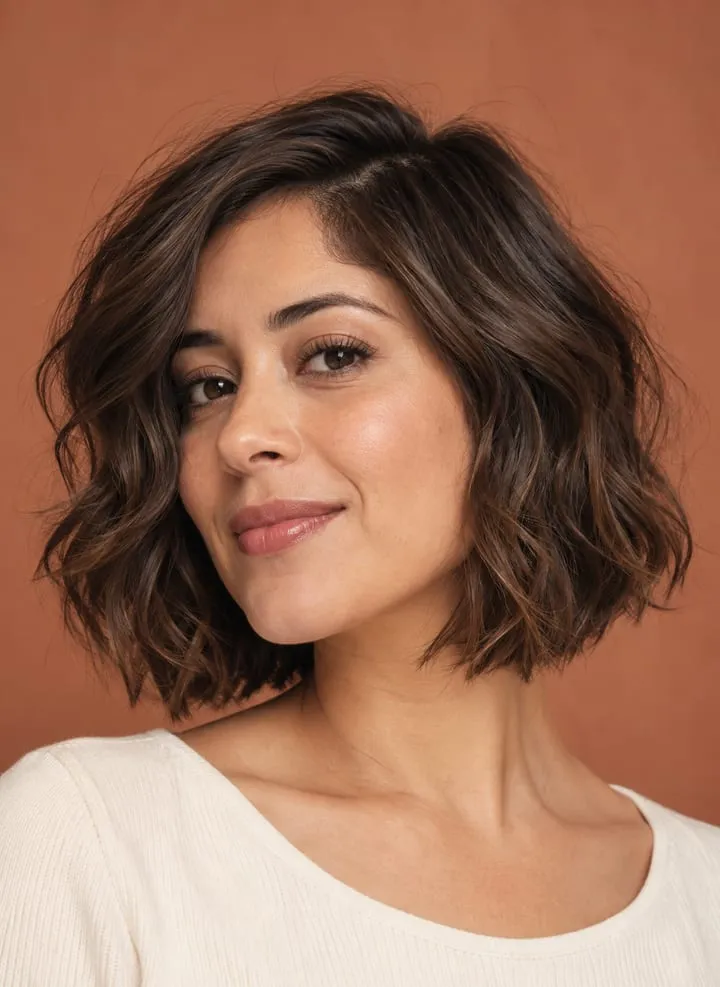
Try a wavy bob on your photo →
The important word is softly. The graduation should support the outline, not create a short stacked shelf over thin ends. Ask the stylist to assess your hair dry or in its natural wave pattern before deciding how much weight to remove.
This is also where inspiration photos can mislead. A bob styled with an iron into six uniform waves tells you very little about how the cut will air-dry. Bring one polished reference and one natural reference, then ask to see the finished shape with minimal manipulation.
Salon brief: “Keep a full jaw-to-neck perimeter, then add only enough hidden graduation to encourage my natural wave. I do not want a high stack or thinned-out ends.”
The rounded curly bob: shape fine curls as a group
Fine curls can have plenty of visual volume while still becoming sparse at the ends. The solution is not automatically more layers. A rounded chin-length bob keeps the overall curl silhouette compact, then uses selective shaping so individual curl families settle together.
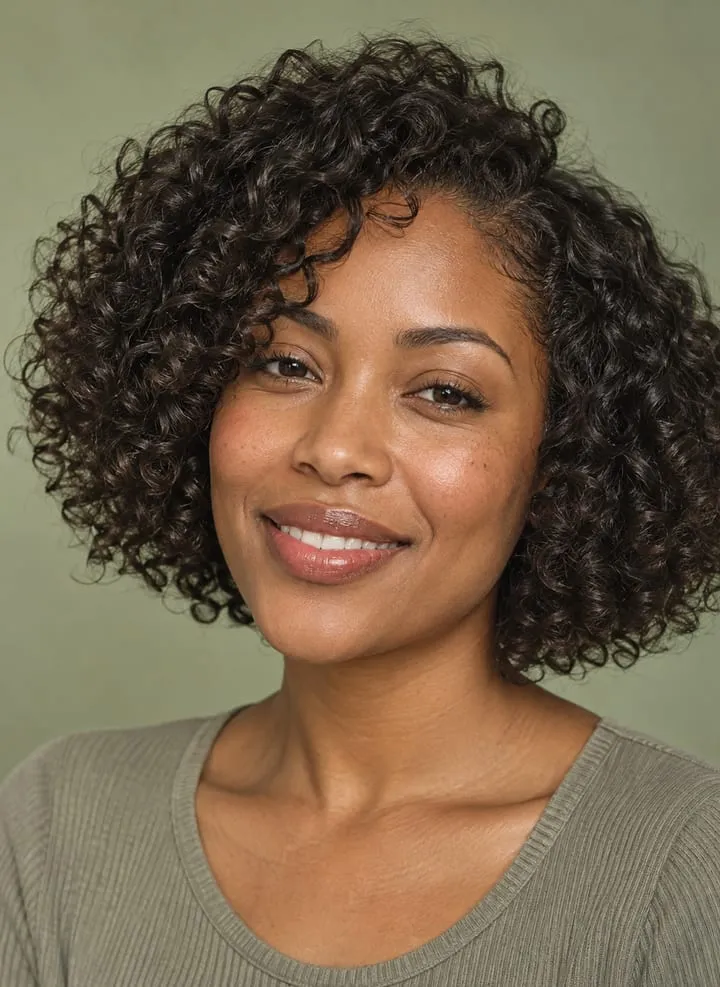
Try a rounded curly bob on your photo →
Dry shrinkage matters more than the ruler measurement. The stylist should see where your curls live without tension, identify the pieces that spring highest, and preserve enough weight at the lower edge to stop the shape from floating away from the face.
Ask how the cut will look on day three, not only when every curl has been individually defined. A useful curly cut should survive normal separation and a little frizz without revealing an accidental gap in the outline.
Salon brief: “Shape my curls into a rounded chin-length bob and keep the lower outline full. Check the final balance dry, and remove weight curl by curl rather than thinning the whole perimeter.”
The long cut with a dense baseline: keep length strategically
You do not have to cut fine hair short. Long hair simply gives every decision a larger consequence: damage is easier to see, root weight increases, and face-framing pieces remove strands from a perimeter that is already farther from the scalp.

Try long, minimally layered hair on your photo →
The best long version ends where the bottom still looks opaque—often somewhere between the collarbone and upper chest—with a blunt or softly rounded baseline. Keep shaping below the collarbone and use only enough long layering to prevent the surface from lying like a sheet.
This is a different brief from conventional long layers. The priority is not maximum movement; it is preserving the bottom third. If your last several inches are visibly transparent, trimming back to the first dense point will usually create more impact than keeping nominal length.
Salon brief: “Keep the longest length that still gives me a solid bottom line. Remove transparent ends, preserve the baseline, and limit face framing to pieces that begin below my collarbone.”
Should fine hair have bangs?
Bangs move hair; they do not manufacture it. A heavy fringe can make the front look dense because more hair is directed forward, but those strands have to come from somewhere. On lower-density hair, taking an overly deep triangular section for bangs may leave the temples and sides looking lighter.
Start with a narrow, light section or a long side fringe if you want a reversible experiment. Restrained curtain bangs can work when the outer pieces blend into a strong perimeter, while a side-swept fringe can disguise a stubborn part without demanding a thick block of hair.
Our guide to choosing bangs in 2026 compares seven fringe shapes by styling time, hairline behavior, and grow-out. For fine hair, add one more question to that comparison: how much density will the fringe borrow from the rest of your cut?
The cutting technique matters more than the trend name
Two people can ask for the same bob and leave with completely different visual density. Before the first section is cut, agree on these four details:
- Where the strongest line should sit. Chin, collarbone, and upper chest create very different amounts of apparent weight.
- How much hair must remain in the perimeter. Say directly that fuller-looking ends are the priority.
- Where the shortest layer may begin. “A few layers” is too vague; name a landmark such as below the jaw or below the collarbone.
- How the edge will be softened. Point cutting, a razor, and thinning shears can all remove different amounts of visual weight. None is universally wrong, but the stylist should explain why the chosen technique suits your density.
Fine but high-density hair may need more internal removal than fine, low-density hair. Curly fine hair needs a different distribution again. Rules such as “never layer fine hair” are too blunt to be useful; the real rule is to know exactly where each removed strand will stop contributing to the silhouette.
Choose by your real routine
| Cut | Fullness appears strongest | Typical reshape | Styling reality |
|---|---|---|---|
| Sharp chin bob | At the bottom edge | 6–8 weeks | Sleek finish shows precision; natural texture softens it |
| Blunt clavicut | Through the bottom third | 8–10 weeks | Easy to tie back; may need root lift |
| Compact bixie | Crown and front | 5–7 weeks | Fast daily styling, more frequent cutting |
| Soft pixie | Close to the scalp and top | 4–6 weeks | Very little drying time; growth patterns matter |
| Wavy bob | Across the whole silhouette | 7–10 weeks | Best when shaped for the natural bend |
| Rounded curly bob | Around the sides and lower curve | 8–12 weeks | Judge it dry and across several wash days |
| Long dense baseline | At the bottom third | 10–12 weeks | Preserves length but offers less automatic root lift |
If you never blow-dry, do not choose a cut whose fullness exists only after a round-brush set. If you dislike frequent salon visits, do not mistake the five-minute daily routine of a pixie for low maintenance overall. And if you need to tie your hair back for work or exercise, test that requirement before committing to a chin bob.
Three checks before you leave the chair
First, look at the back without a cape covering your shoulders. The perimeter should read clearly at normal conversational distance, not only when you lean toward the mirror.
Second, move the part. Fine hair often gains instant lift when its direction changes; a cut that works in more than one part gives you an easy reset between washes.
Third, ask to see the shape with minimal styling. You are not refusing the salon finish—you are checking the haircut underneath it. Take one front, side, and back photo before the final curls or teasing so you have an honest reference at home.
When a haircut is not the whole answer
A cosmetic cut can disguise transparent ends or redistribute visual weight. It cannot treat sudden shedding or progressive hair loss. A widening part, a noticeably smaller ponytail, smooth bald patches, or burning, itching, scaling, and tenderness on the scalp deserve medical attention. A dermatologist can distinguish shedding from hair loss and investigate the cause; a stylist cannot do that from the salon chair.
For hair that has always been fine, the right cut is a design decision. For hair that has changed, make the design decision and investigate the change separately.
Compare silhouettes before you surrender length
Do not preview seven nearly identical bobs. Compare three genuinely different strategies: a sharp chin bob for the strongest edge, a bixie or pixie for root lift, and a blunt clavicut or long dense baseline if keeping length matters most.
You can try hairstyles on your own face with AI to compare those silhouettes without cutting first. Keep the selfie, hair color, and angle the same for every version so length and shape are the only variables. If you are considering color at the same appointment, choose a direction from our guide to hair color for your skin tone and test it separately; changing cut and color in every image makes it harder to tell which decision is doing the work.
The winning cut is not necessarily the one with the biggest virtual blowout. Choose the one whose perimeter still looks convincing when you mentally remove half the styling. That is the version most likely to make fine hair look fuller in real life.
FAQs
- What haircut makes fine hair look the thickest?
- A blunt bob that lands between the jaw and chin creates the strongest illusion of thickness for most straight or softly wavy fine hair. Keeping most strands at one length builds a clear bottom edge instead of spreading a limited amount of hair across many wispy layers.
- Should fine hair be layered or kept one length?
- Fine hair can have layers, but their placement matters. A strong perimeter with a few long internal or face-framing layers gives movement without emptying out the ends. Short, heavily texturized layers are riskier when your density is low because they remove strands from the baseline.
- Is short or long hair better for fine hair?
- Short-to-medium lengths usually make fine hair look fullest because the ends stay compact and there is less length pulling the roots down. Long fine hair can still look polished when the baseline remains blunt, damaged transparent ends are removed, and layering is minimal.
- Do bangs make fine hair look thicker?
- A light side fringe or restrained curtain bang can add interest around the face without borrowing too much hair from the rest of the cut. A very deep, heavy fringe may make the front look fuller while leaving the sides and perimeter thinner, so decide where you want the visual weight before cutting.
- Can a haircut actually make thin hair thicker?
- No haircut changes the diameter of each strand or the number of hairs growing from your scalp. It can make the hair look fuller by concentrating the ends into a stronger outline, creating lift, and removing damaged lengths that have become transparent.
- What should I do if my hair has suddenly become thinner?
- A haircut can improve the silhouette, but it cannot diagnose or treat new hair loss. A widening part, a noticeably thinner ponytail, bald patches, scalp symptoms, or sudden increased shedding are reasons to speak with a doctor or board-certified dermatologist rather than relying on a cosmetic cut alone.